Getting it Right For Every Child (GIRFEC)
What does Getting It Right For Every Child mean?
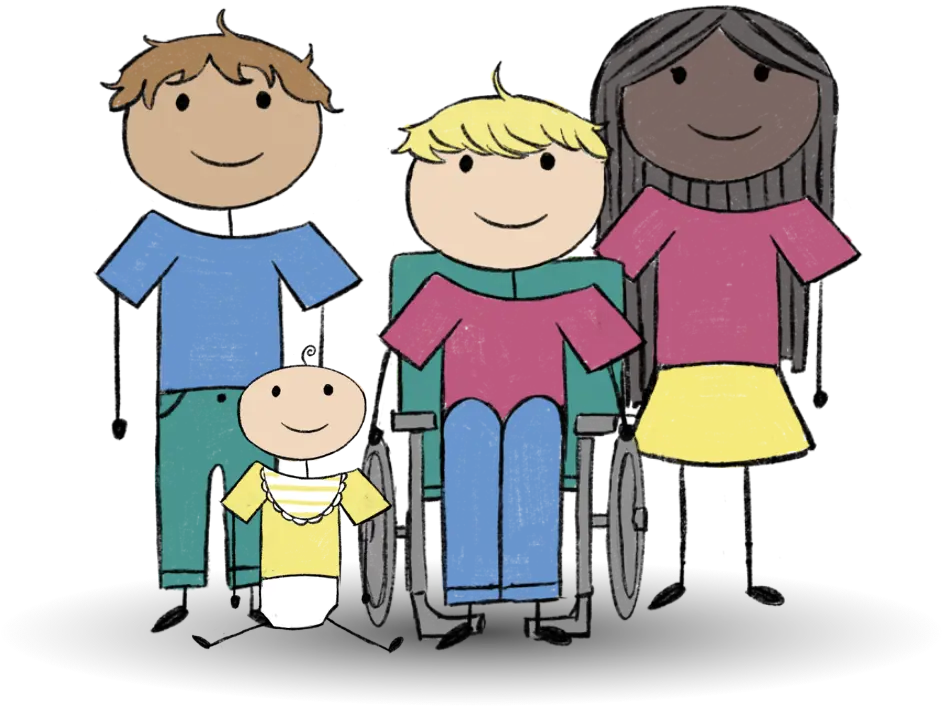
The Scottish Government want to make Scotland the best place to grow up. Getting it right for every child (GIRFEC) encourages everyone to work together to help children and young people.
Click the links below for more information…
GIRFEC Key Principles
GIRFEC AG report pres Accessibility of GIRFEC for Deaf Children and Young People_Final ReportGIRFEC’s key principles are:
- The child, young person and family are at the centre of all work and decisions that affect them
- Work together with families
- Understand that wellbeing is about all areas of life including family
- Value difference and treat everyone fairly
- Tackle inequality
- Give support to children, young people and families when they need it
- Everyone works together locally and across Scotland to make things better for children, young people and families
Click here:
GIRFEC Principles and Values
Through GIRFEC, children and young people should grow up loved, safe and respected so they reach their full potential. We want all children and young people to live in an equal society. They should be treated with kindness, dignity and respect.
GIRFEC is based on the United Nations Convention on the Rights of the Child (UNCRC). This is a global agreement to protect children. Children and young people are citizens in their own right.
Their human rights are set in all areas of life.
United Nations Convention on the Rights of the Child (UNCRC)
There are 4 Principles of United Nations Convention on the Rights of the Child (UNCRC). This is a global agreement to protect children.
- Non-discrimination (Article 2)
- Best interests of the child (Article 3)
- Right to life, survival and development (Article 6)
- Respect for the views of the child (Article 12)
GIRFEC should be central to all our policies and services. It gives Scotland a plan to support and protect the wellbeing of children and young people. We are working so services –
- Are shaped around children, young people and families
- Meet the needs of children, young people and families
- Listen to care experiences of children and young adults
Wellbeing is how a child or young person is doing at a point in time and whether they need any support.
A child or young person is an individual who is not yet 18 years old. We want to make services the best they can be for babies, infants, children, young people and their families.
Children, Young People and Families
Information about GIRFEC for children and young people is provided by the Health and Social Care Alliance here:
Alliance Scotland GIRFEC Information for children & young people
Information is also available for adults in families from the Health and Social Care Alliance here:
Alliance Scotland GIRFEC Information for adults
Information is also available for adults in families from the Health and Social Care Alliance here:
Alliance YouTube video – GIRFEC Overview
What is the Promise?
Scotland’s promise to care experienced children and young people is that they will grow up loved, safe, and respected.
The Promise is explained on more detail here: What Is The Promise?
Listen to information here: Promise Scotland – What Is The Promise?
Foundations of the Promise can be seen here: The Five Foundations of the Promise
Plan 24-30 launched on 20th June 2024 on a dedicated website. It is Scotland’s plan to #KeepThePromise by 2030, setting out a route map on what needs to happen, who must act, and by when. Click the link below to view the Promise 24-30 website:
Guidance For Professionals
Link for SG website: Scottish Government GIRFEC Policies
GIRFEC re-fresh leaflet: GIRFEC – Leaflet – 2023
Children in Scotland Re-freshed GIRFEC link: Children in Scotland GIRFEC re-freshed policy
Click here to find out more about the National Risk Framework: National Risk Framework to Support the Assessment of Children and Young People 2012
Click here to find out more about GIRFEC Resources: GIRFEC Resources
Click here to find out about the Wellbeing Wheel: Wellbeing Wheel
Click here to find out about the National Practice Model: National Practice Model
My World Triangle 2023: My World Triangle
Resilience Matrix 2023: Resilience Matrix
GIRFEC Questions: GIRFEC Questions
Accessibility of GIRFEC for Deaf Children and Young People_Final Report
GIRFEC Accessibility for Deaf Children and Young People Presentation
Corporate Parenting
What is Corporate Parenting?
The Children and Young People (Scotland) Act 2014 defines corporate parenting as “the formal and local partnerships between all services responsible for working together to meet the needs of looked after children, young people and care leavers.
Corporate parenting – Looked after children – gov.scot
Who are Corporate Parents?
This law named a range of organisation corporate parents, including health boards and local authorities, colleges and universities, emergency services and more. The law sets out that as corporate parents they have parental responsibilities to work together to uphold the rights, support needs and well-being of looked after and care experienced children, young people and care leavers across Scotland.
Corporate Parenting Duties include;
- Ensure the best way their organisations can help looked after children, young people and care leavers.
- Promoting the interests and providing opportunities to improve the well-being looked after and care experienced children, young people and care leavers.
- Promoting the the rights and ensuring all looked after and care experienced children, young people and care leavers have the same opportunities as their non-cared for peers.
This short video from Who Cares? Scotland explains more about what Corporate Parenting is: Who Cares Scotland-What is Corporate Parenting?
For further information contact,
ChildrensServicesNetwork@moray.gov.uk
Resources
Better Meetings
Better Meetings is a care experienced children and young person led project that supports Children’s Rights and the delivery of the Promise. Through co-produced films and practitioner’s guide children, young people and care leavers share their experiences of formal meetings and influence how decisions about their lives are made. The project promotes meaningful participation in line with UNCRC article 12, ensuring children’s views are listened to and acted upon. The project supports a cultural change so meetings are safe, inclusive and centre on voice, choice and dignity, as set out in The Promise.
The Better Meetings guides are below;
Better Meetings – Children’s Reporter Practitioner’s Guide Better
Meetings – Generic Practitioners Guide
Better Meetings – Panel Member Practitioner’s Guide
Better Meetings – Reviewing Officer Practitioner’s Guide
Better Meetings – Social Work Practitioner’s Guide
Moray’s Maintaining Relationship Policy
a {text-decoration: none;
color: #464feb;
}
tr th, tr td {
border: 1px solid #e6e6e6;
}
tr th {
background-color: #f5f5f5;
}
Morays Commitment to Care-Experienced Children and Young People